Artigos

O Meu Joelho
Lemon Advertising

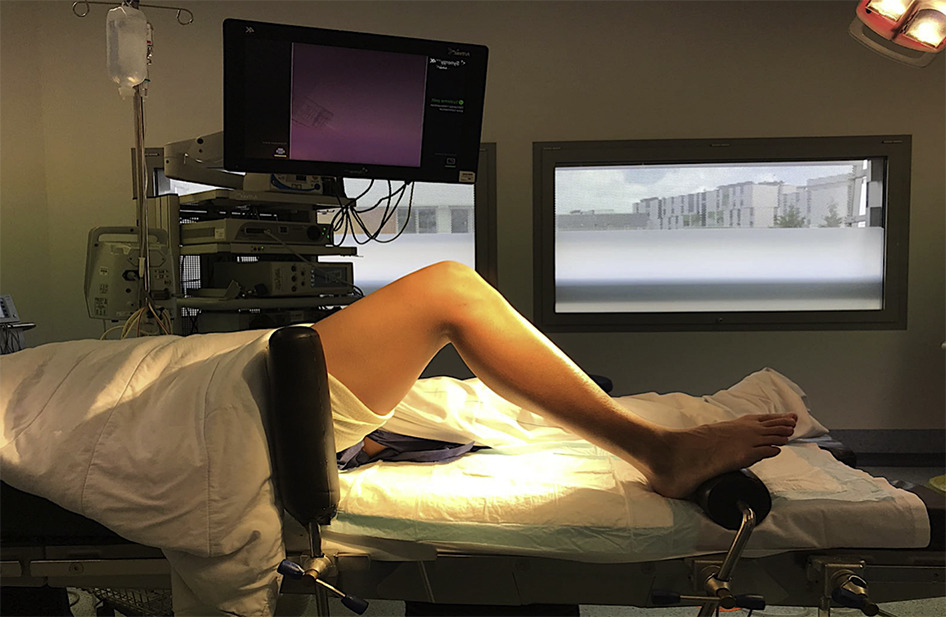
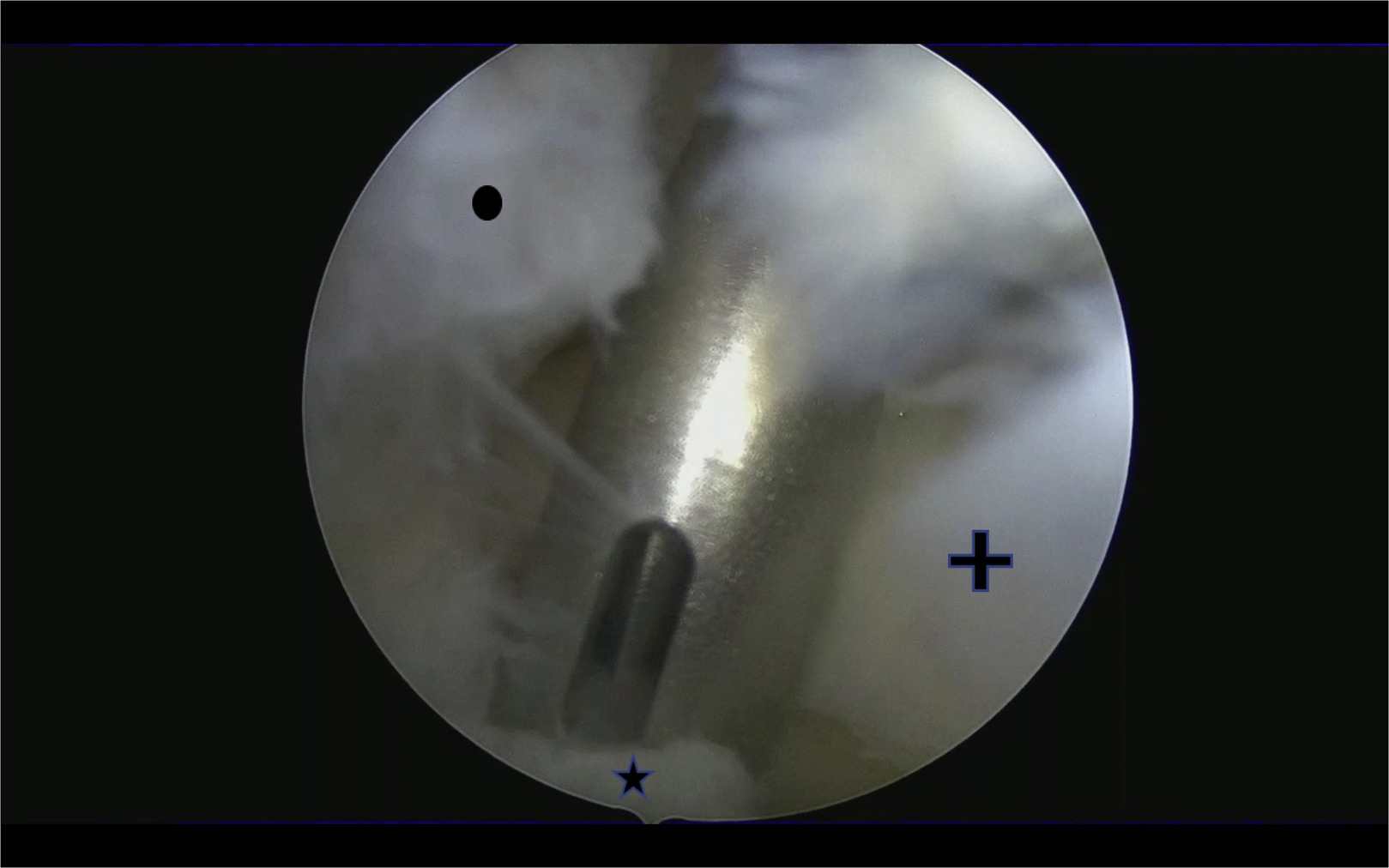
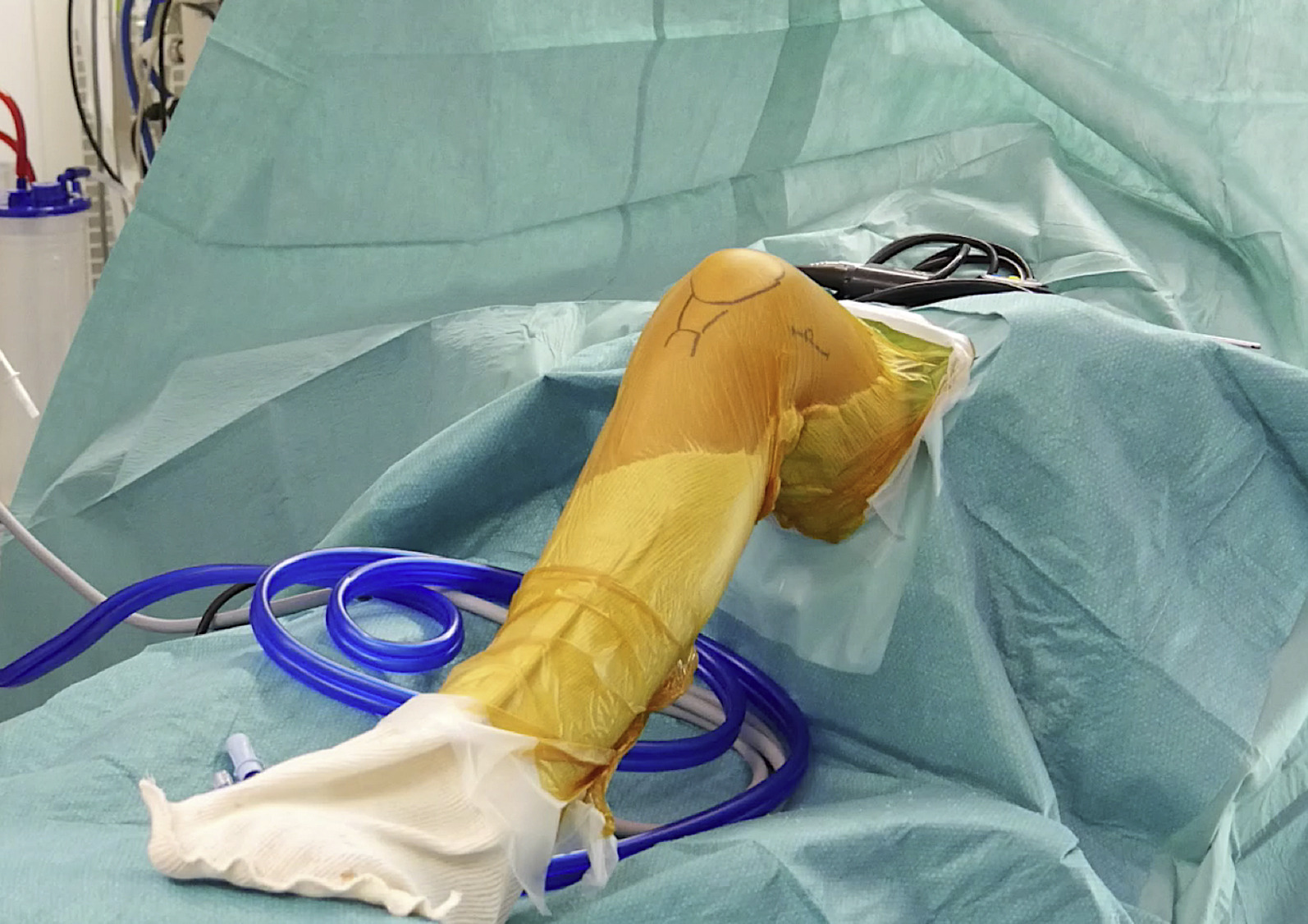
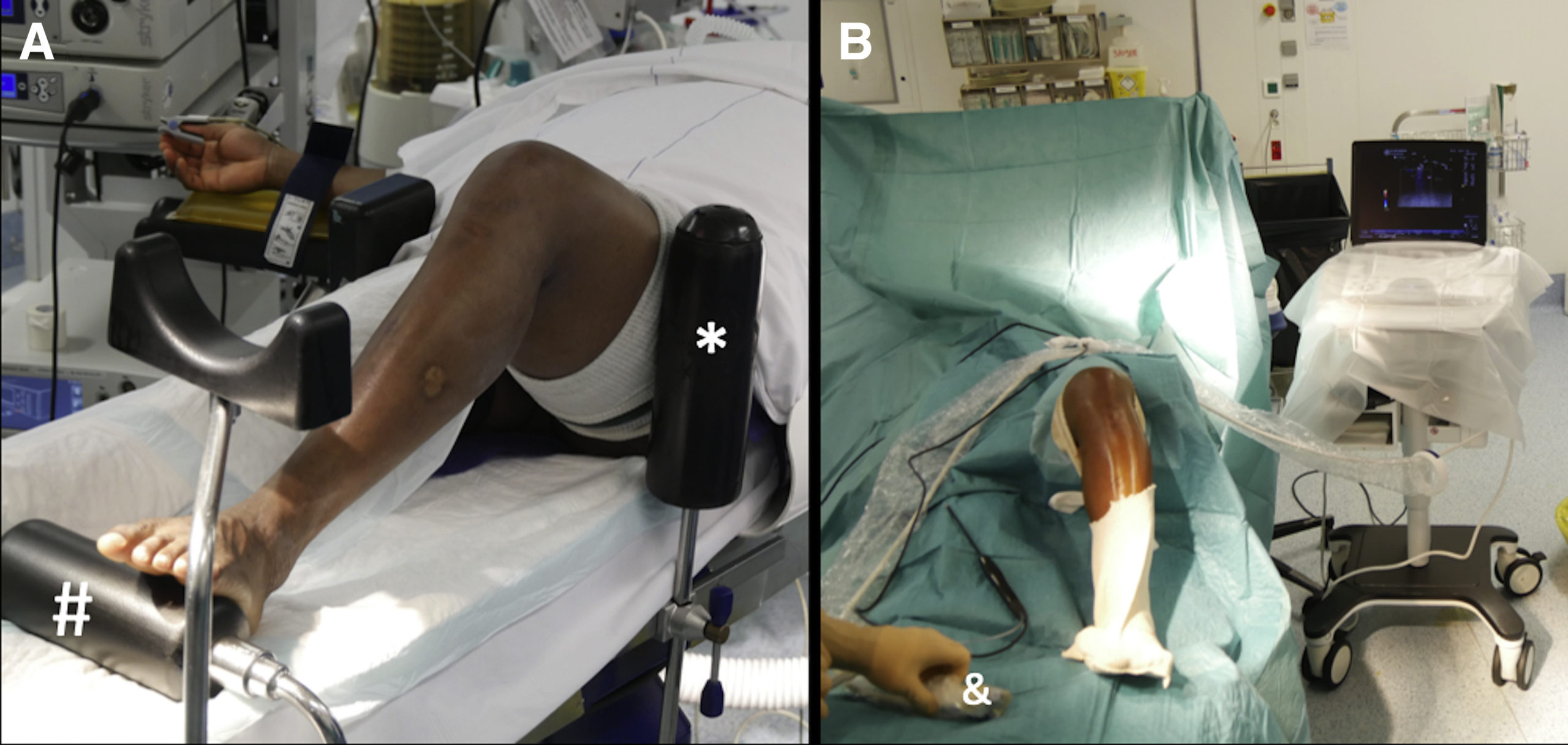
Lateral Meniscus Repair Using Posterolateral Portal: Suture Hook Technique

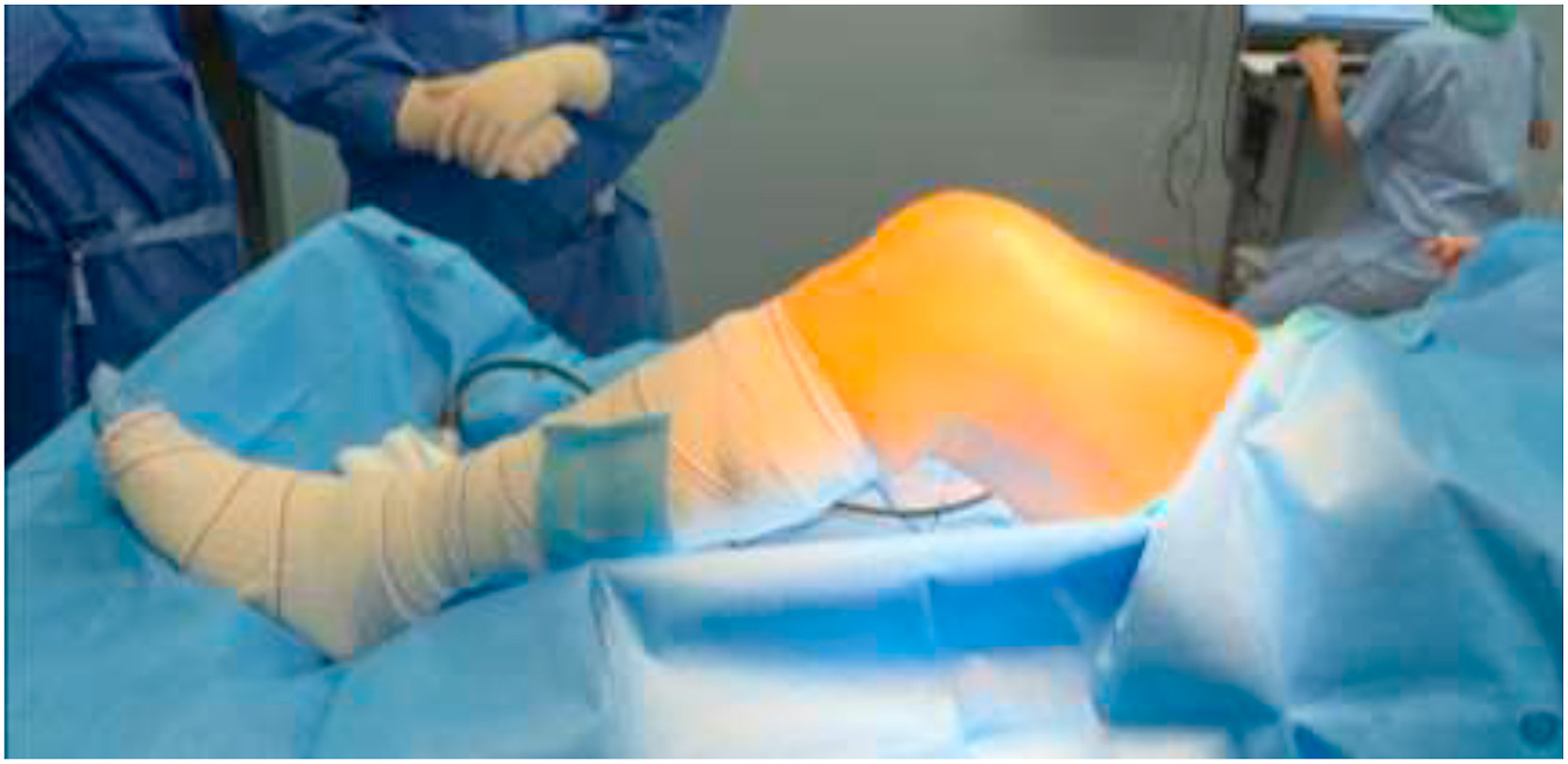
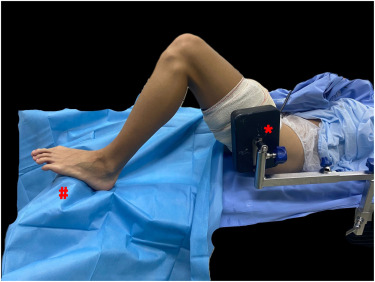
Lateral meniscus lesions result in loss of meniscus hoop stresses and can lead to lateral compartment overload and early degenerative changes. Arthroscopic suture repair provides good long-term results. However, posterior vertical tears in the peripheral area of the meniscus can be technically challenging to resolve. This Technical Note describes the suture hook technique using an accessory posterolateral portal. We believe it is a safe, effective method for repairing full vertical tears of the lateral meniscus.
Ver Mais »
O Meu Joelho
Lemon Advertising

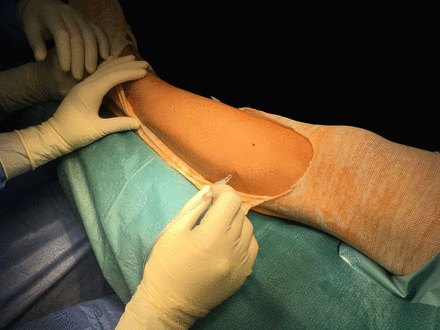
Isolated lateral leg compartment syndrome following an ankle sprain

A 25-year-old man came to the emergency room after an inversion ankle sprain during a soccer game with friends. He was unable to play after the injury but was able to walk. He complained about a lateral ankle pain that was rapidly increasing in intensity and spreading to the leg. At the first physical examination, we found a lateral malleolus oedema with normal and almost painless dorsi and plantar ankle flexion, but with severe pain with foot inversion and important weakness on foot eversion. He was initially managed with pain medication and leg elevation while waiting for the imagological study. The plain X-ray and ankle CT showed no significant bone or soft tissue lesion.

Ver Mais »
O Meu Joelho
Lemon Advertising

A Low-Cost Tensionable Quadriceps Tendon Rupture Repair Using Transosseous Tunnels

A quadriceps tendon rupture is a traumatic injury of the quadriceps insertion on the patella leading to a disruption in the knee extensor mechanism. Diagnosis is usually made clinically with a palpable defect proximal to the superior pole of the patella coupled with the patient’s inability to perform a straight leg raise and confirmed on radiographs, ultrasonography, or magnetic resonance imaging scan. When the extensor mechanism is disrupted, operative repair is indicated. Two common techniques have been described for repair: the transosseous) repair and the suture anchor repair, and both have shown good clinical results. Nevertheless, gap formation is always a concern, and there is no consensus if one technique is superior to the other in this matter. We propose a low-cost, tensionable, transosseous anatomic repair that results in a tight construction.

Ver Mais »
O Meu Joelho
Lemon Advertising

Anterior Closing-Wedge Osteotomy for Posterior Slope Correction With Tibial Tubercle Preservation

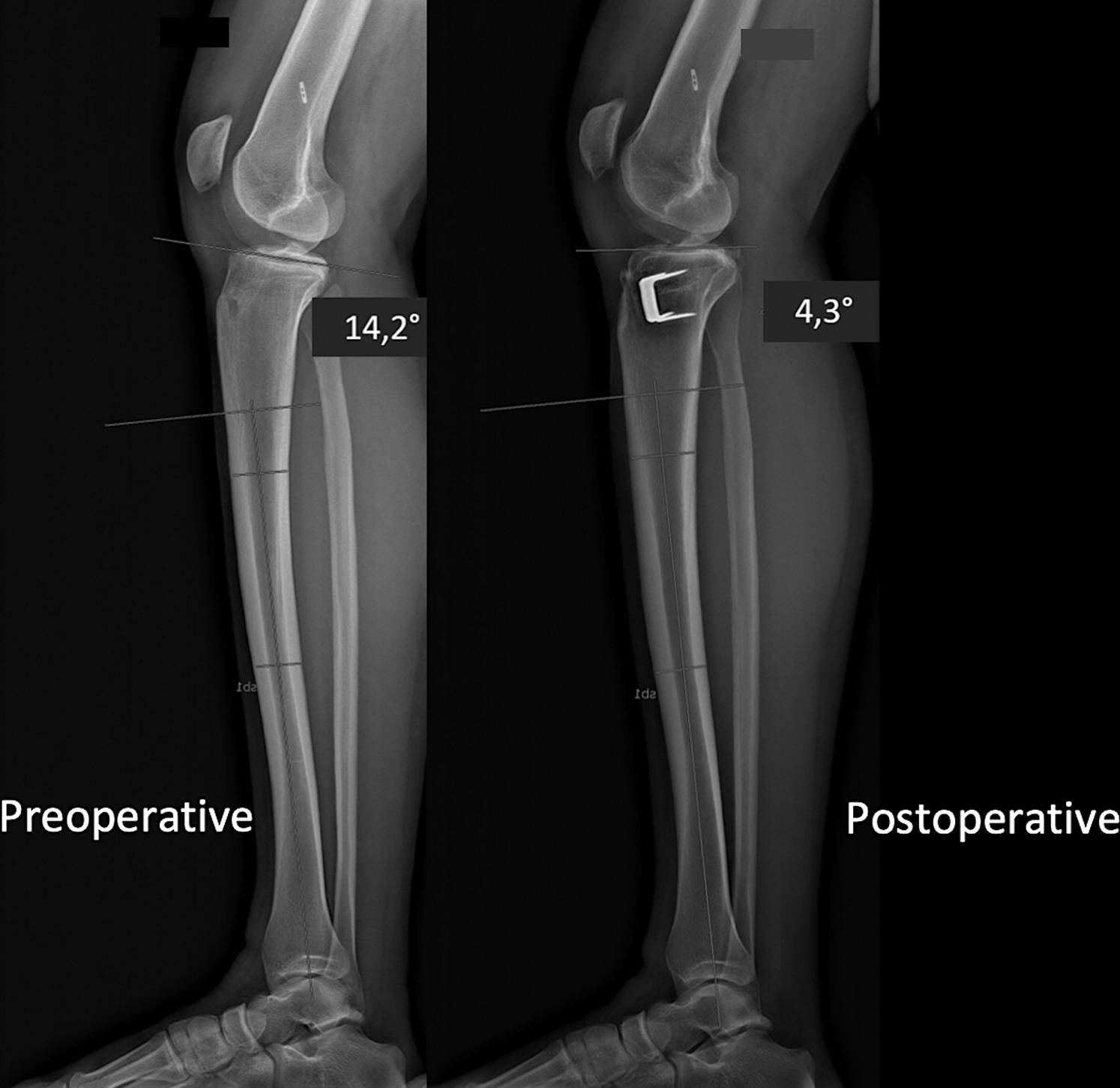
An excessive posterior tibial slope has been identified as a potential risk factor for anterior cruciate ligament tears. Anterior closing-wedge osteotomy decreases the posterior slope and can eliminate this risk factor in patients with recurrent instability and greater than 12° posterior slope. We will describe an anterior closing-wedge osteotomy technique performed at the tibial tubercle (TT), in which the TT is not detached to preserve the extensor mechanism attachment. A vertical cut is performed in the sagittal plane just posterior to the TT, leaving a distal cortical hinge. Two proximal parallel K-wires and 2 distal parallel K-wires convergent to the proximal ones are inserted from the anterior cortex on both sides of the tubercle toward the tibial posterior cortex at the posterior cruciate ligament’s tibial insertion. Proximal and distal cuts are performed to remove the bone wedge. Reduction is achieved by gentle knee extension. Fixation is completed with 2 staples placed medially and laterally to the TT.

Ver Mais »
O Meu Joelho
Lemon Advertising

Combined Anterior Cruciate Ligament and Anterolateral Ligament Reconstruction Using Suspensory Button Fixation

Despite advancements in surgical techniques for anterior cruciate ligament reconstruction, some patients still experience rotational instability after surgery. Anterior cruciate ligament and anterolateral ligament reconstruction have been described using hamstring tendon autograft while preserving the insertion of the semitendinosus tendon. This article describes a combined anterior cruciate ligament and anterolateral ligament reconstruction using a hamstring tendon autograft with a suspensory button fixation.

Ver Mais »
O Meu Joelho
Lemon Advertising

Arthroscopic treatment for femoral neck enchondroma: case report

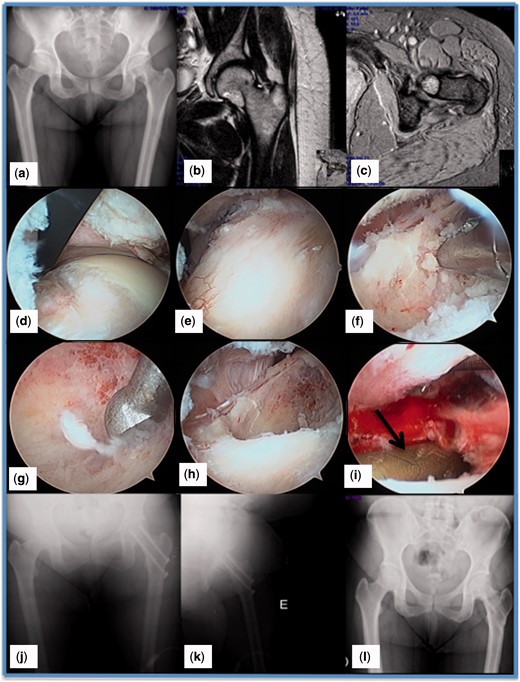
Enchondromas are benign hyaline cartilage tumours that radiographically present with irregular intra lesional calcification [ 1 ]. Plain radiographs are usually sufficient for the diagnosis, but CT and magnetic resonance imaging (MRI) scans are useful for better assessment of the lesion, in particular for the exclusion of chondrosarcoma [ 1 , 2 ]. Treatment consists of observation with periodic examinations to assess the evolution of the lesion [ 1 , 2 ]. Surgical treatment is indicated when there is evolution of the lesion or when it becomes symptomatic. Curettage with or without bone grafting is usually curative [ 2 ]. Hip arthroscopy [ 3 ] allows getting good visualization of the central and peripheral compartment of the hip, thereby decreasing the morbidity resulting from open surgery [ 4 ].

Ver Mais »
O Meu Joelho
Lemon Advertising

Figure-of-4 Cruciate Remnant Objective Assessment Test Reducibility of Anterior Cruciate Ligament Stump for Feasibility of Arthroscopic Primary Anterior Cruciate Ligament Repair

Suture of the anterior cruciate ligament (ACL) has reemerged as a treatment option for proximal ACL tears. Preoperative imaging can provide insight into the feasibility of performing arthroscopic primary ACL repair, but the final decision is taken only after confirming with arthroscopy that the ACL remnant is reducible. We describe a test called the Figure-of-4 Cruciate Remnant Objective Assessment test that objectively interprets the reducibility of the ACL remnant for arthroscopic primary ACL repair.

Ver Mais »
O Meu Joelho
Lemon Advertising

Knee Meniscus Posterior Root Repair with FiberTak

Repair of medial meniscal root tear is nowadays a validated procedure in order to restore knee biomechanics and to prevent early development of arthritis. There are various techniques described, without any being considered superior. This article describes a technique with a knotless suture anchor design, using a high posteromedial portal to insert the anchor and a meniscal suture passer device from the anteromedial portal. The technique eliminates the need for transtibial drilling and knot tying, and it certifies a strong reproducible tension.

Ver Mais »